As we have seen in the other article, coffee cupping consists of six steps which evaluate a coffee’s fragrance, aroma, taste, nose, aftertaste, and body. Without getting into technical details of how cupping is done or what you need for equipment, I would like to describe these steps a little more. We’ll start with the first three.
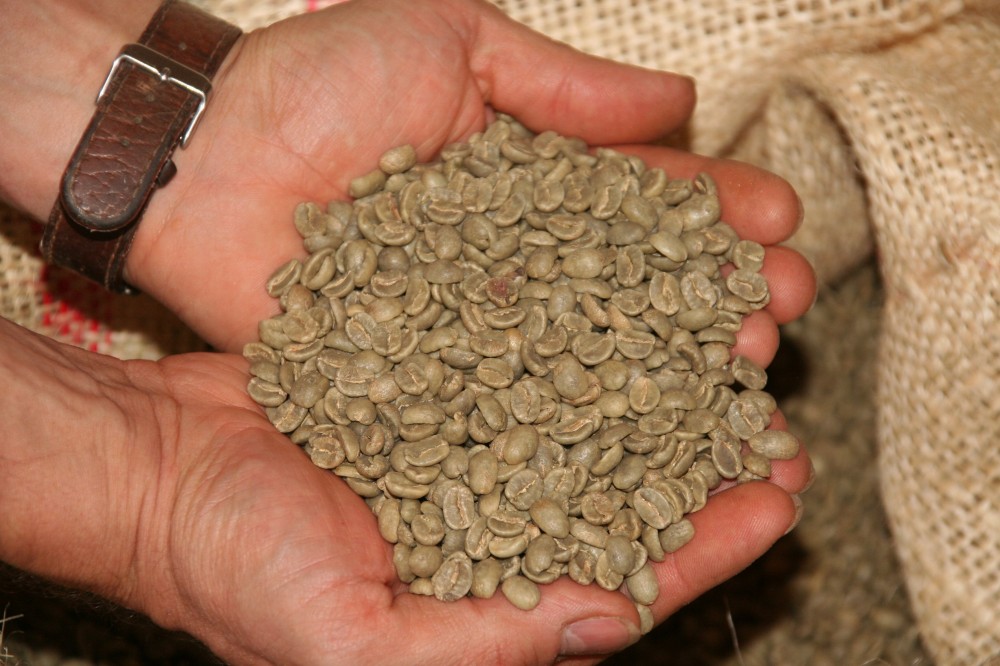
FRAGRANCE
This is simply the kind of smell or the scent of something (think of perfume for example). When you smell something, fragrance tells you, “Hey that smells like ….” Dry, freshly ground coffee has fragrance. The intensity of the fragrance reveals the freshness of the sample, meaning the time that elapsed between roasting the sample and then grinding it. Fragrance disappears rapidly after grinding and little can be done to keep these trapped within for any length of time after exposure to the environment. The character of the fragrance indicates the nature of the taste. Normally sweet scents lead to acidy tastes, and pungent scents lead to sharp tastes.
AROMA
The aroma of something is more than just scent. It’s also the flavor and mouth feel. Though they are similar in some aspects, fragrance, is processed only through the nose, aroma is processed two ways through the nose as well as via your taste buds. When you slurp coffee (as when you are cupping), the aromas then drift up and the smell receptors in your nose add the scent to the flavor to produce an aromatic profile from fruity to herbal to nut-like. Typical coffee aromas include floral, winey, chocolate like, spicy, tobacco like, earthy, and fruity.
Simply said: dry coffee grounds have fragrance, add water to the coffee and you have aroma. Generally speaking, the range of a coffee’s aromatic character corresponds to the origin of the coffee. In contrast, the intensity of aroma is determined by the freshness of a coffee (the time between roasting and brewing, depending on the type of packaging used to provide moisture and oxygen protection for the beans). Coffee freshness, including aroma, can be maintained for months if placed in proper storage immediately after roasting.
Coffee aroma is the fragrance of brewed coffee and is closely related to coffee flavor.
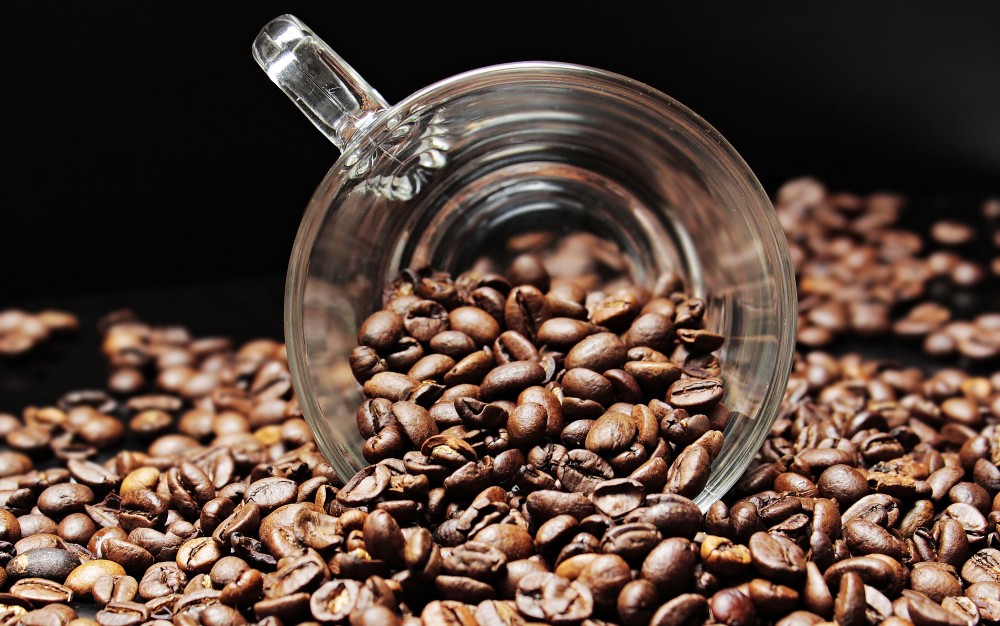
FLAVOR
To better examine the flavor of coffee you must slurp the liquid of the freshly made cup. Briskly aspirating the fluid in this manner spreads it evenly over the entire surface of the tongue and all of the sensory nerve endings simultaneously respond to the sweet, salt, sour, and bitter sensations of the brew, allowing for a complete modulation of the taste. Hold the coffee in the mouth for three to five seconds. In this manner, the primary and secondary taste characteristics can be evaluated.
Without our sense of smell, flavor would be limited to the tongue senses of sweet, sour, salty, and bitter.
Confused? Well actually you have to be a real cupper to fully understand these differences so just let’s say that fragrance is purely the scent of freshly ground coffee and that taste consists of aroma and flavor. Many nuances of a coffee however are reflected in the smell, or "the nose" at which we will a closer look in the next article.
2017